Benefits APIs are quickly changing the way benefits payers and administrators operate by making downstream workflows faster, more efficient, and more accurate. For years, these companies have relied on manual data plumbing like CSV exports, SFTP drops, and phone calls to get the information they need: employee census data, dependents, eligibility files, enrollments. By the time they get their hands on it, the data could be weeks or even months old, if it’s accessible at all.
As a result, eligibility and claims decisions happen against stale rosters. Open enrollment elections don't show up in downstream systems until they hit the first paychecks of the new year — a two to three month lag. And some teams infer benefits from payroll deductions because the actual enrollment records aren't accessible in real time.
The complexity, sensitivity, and availability of this data initially made it difficult for the benefits industry to adopt APIs. But as more players have invested in digital experiences and unified APIs have emerged, benefits APIs are poised to fuel wider and deeper connectivity across the ecosystem.
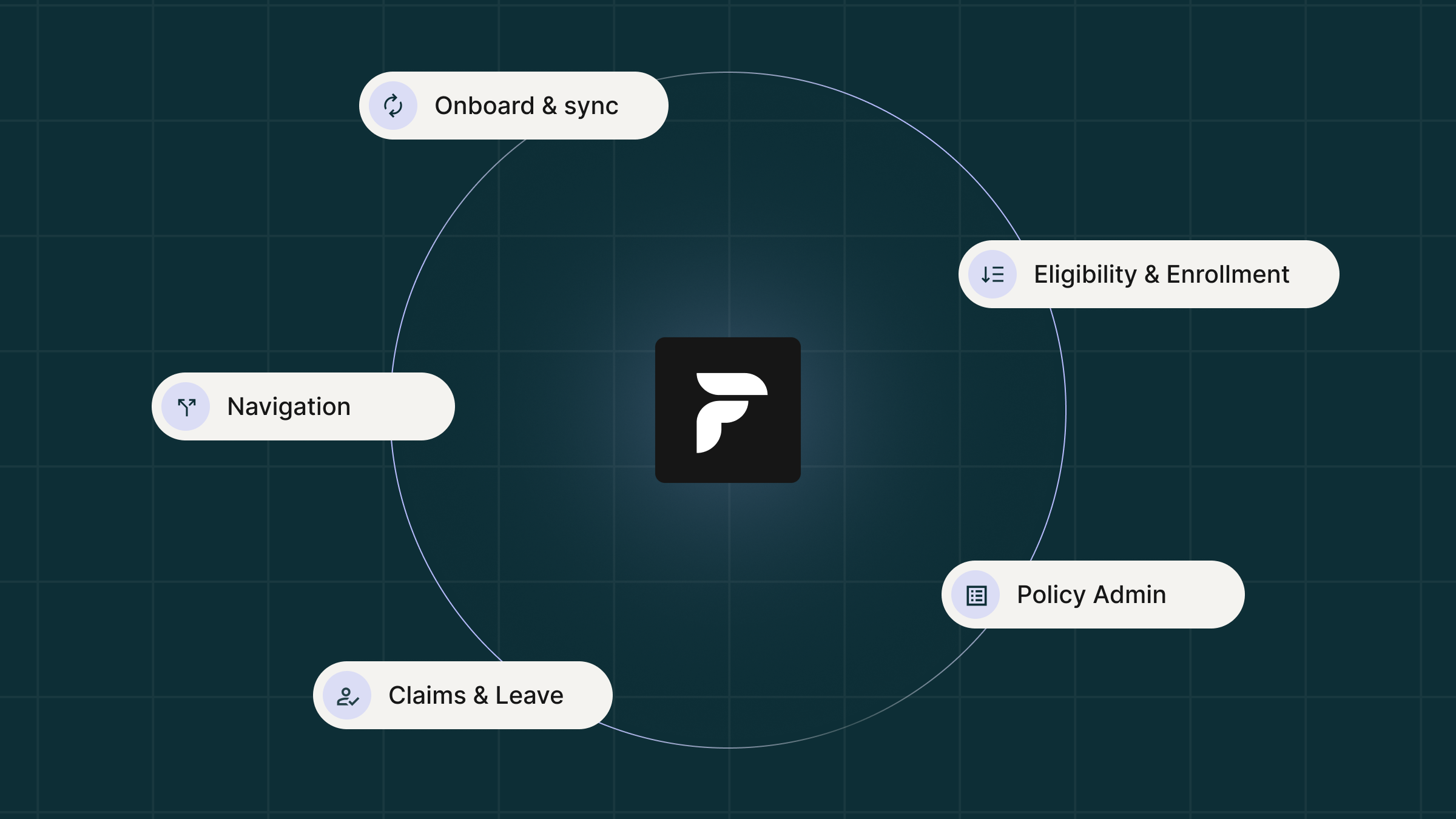
Here are five examples of benefits workflows that get faster and more accurate when benefits data flows through an API.
1. Onboard employers faster and sync employee census data
A smooth onboarding is the first step to delivering value as a benefits technology vendor. That means importing the employee census on day one, then keeping it current as employees are hired, terminated, or change status.
Today, this is typically done through a per-employer file feed setup. The vendor's ops team works with the employer's HR contact to agree on a file format, map fields between the two systems, run test syncs, and go live — a process measured in weeks. Once live, changes flow through whatever cadence the file feed runs on: nightly, weekly, or occasionally on-demand. New hires, salary changes, and terminations lag by that cadence.
But when benefits data flows through an API, the entire onboarding process is measured in minutes, not weeks. Instead of configuring a file and mapping individual fields, the employer simply authorizes the vendor to access data from their HCM system, and the full employee census syncs the same day. Ongoing changes flow through the same connection continuously, without another file spec to negotiate or maintain. What used to be a weeks-long onboarding project becomes a few clicks from the employer.
2. Pull more accurate and reliable data for benefits navigation
Benefits navigation platforms, which help employees understand what benefits their employer offers, what they're eligible for, and how to use what they're enrolled in, have surged in popularity in recent years. The need is real: Guardian’s research found that 63% of employers believe their employees do not fully use the benefits available to them. Educating employees about their benefits options requires accurate data on both the plan catalog and per-employee enrollment records.
Historically, most navigators have pieced this information together from indirect sources. Plan catalogs are entered manually or scraped from employer benefits guides, and enrollment status is inferred from payroll deductions; but this paints an incomplete picture. A medical premium line on an employee's paystub implies they're enrolled in medical, but doesn't tell the navigator which plan, at which tier, or with which dependents.
Some navigators ask employees to self-report, which is both a poor employee experience and prone to error. And because payroll deductions only appear once the plan year has started, new elections aren't visible to the navigator until months after open enrollment closes.
With an employee benefits API, plan data becomes readily and easily accessible. Benefits navigators can pull the plan catalog and per-employee elections directly from the employer's ben admin system, making it easier to provide benefits decision support. Employees see what they're actually enrolled in — the correct plan, tier, effective dates, and covered dependents — on the day their elections take effect. The navigator's product goes from "our best guess at your elections and options" to "what you elected and what you can still elect, verified."
3. Identify eligible and under-enrolled employees more easily
Carriers and benefits platforms often want to reach the employees who aren't yet enrolled: new hires who haven't completed initial enrollment, employees who missed open enrollment, or employees eligible for voluntary coverage they haven't elected. It's a meaningful segment — the Kaiser Family Foundation's research puts eligible-worker enrollment in health coverage at around 76%, leaving roughly a quarter of eligible workers as targets for outreach. Doing that requires knowing who's eligible-but-unenrolled, a specific slice of the workforce.
That data isn’t easy to get. The employer has to run a report comparing enrolled employees against total employees, or eligible employees against elected employees for a specific product, and send it over as a spreadsheet. That process is manual, slow, and often out of date by the time an outreach campaign runs. Cross-selling voluntary benefits (accident, critical illness, hospital indemnity, life, disability) requires an even more targeted list, which most carriers and navigators either don't produce systematically or produce against batch pulls that are weeks old.
An API changes the game, because it makes eligibility and enrollment data queryable in real time. Which employees are eligible for medical but not enrolled? Which employees have base life but not the voluntary top-up? A carrier or navigator can pull the list directly and run targeted outreach the same day, then measure ROI by comparing pre- and post-campaign enrollment against the same live source.
4. Verify coverage and earnings faster for life, disability, and leave claims
Life and disability carriers pay claims based on what coverage an employee had at the time of the claim, and how much they were earning. Leave and absence platforms need to know an employee's coverage state before, during, and after a leave to manage benefit continuation and coordinate payouts.
Today, verifying coverage at claim time typically means the carrier's claims team picking up the phone and calling the employer's HR contact to confirm: was this employee covered? At what tier? What was their salary and pay type for the definition-of-earnings calculation on a life or disability payout? For leave platforms, the same conversation happens before an employee goes out: was medical, STD, and LTD coverage active on their last day of work, and does it continue during the leave? The employer’s HR department often responds with "let me check and get back to you," putting more work on the client and elongating the process even more.
Benefits APIs make these answers directly accessible to the carrier. The claims team can pull the employee's coverage record at the effective date of the claim, along with the pay history needed to calculate definition of earnings. Leave platforms can verify medical, STD, and LTD coverage in seconds instead of days, and continue to monitor status as the leave progresses. The whole workflow shifts from a series of phone calls to a set of API queries.
5. Pull accurate coverage dates, run-out windows, and terms
One of the critical roles of an insurance TPA is handling post-employment policy administration: sending COBRA notices to terminated employees, managing FSA claims run-out windows, and coordinating premium billing on self-billed groups. Each workflow depends on knowing not just when an employee's employment ended, but their coverage expiration date, which is often an entirely different date.
Without easy access to coverage expiration dates, TPAs frequently anchor COBRA notices and run-out windows to the employment termination date; but that creates two problems. An employee whose coverage ran through the end of the month gets a COBRA notice dated to their last day of work, potentially cutting them off before they'd expect, and FSA claims submitted for expenses incurred during the actual coverage window get denied because the run-out clock started too early. On self-billed groups, the same mismatch produces bills that keep charging for coverage the employee no longer has. The stakes are high, both for the individual and the employer — COBRA compliance is enforced strictly by the Department of Labor and IRS, and even small clerical errors can be treated as denials of a beneficiary's legal rights.
When benefits data flows through an API, TPAs can pull the actual coverage expiration date directly from the ben admin system, meaning COBRA notices anchor to the correct date, run-out windows extend the full plan period, and self-billed premium rosters reconcile automatically as employees term, without manual updates. The workflow becomes anchored to what the plan document actually says instead of the closest date the TPA has visibility into.
What changes with benefits APIs
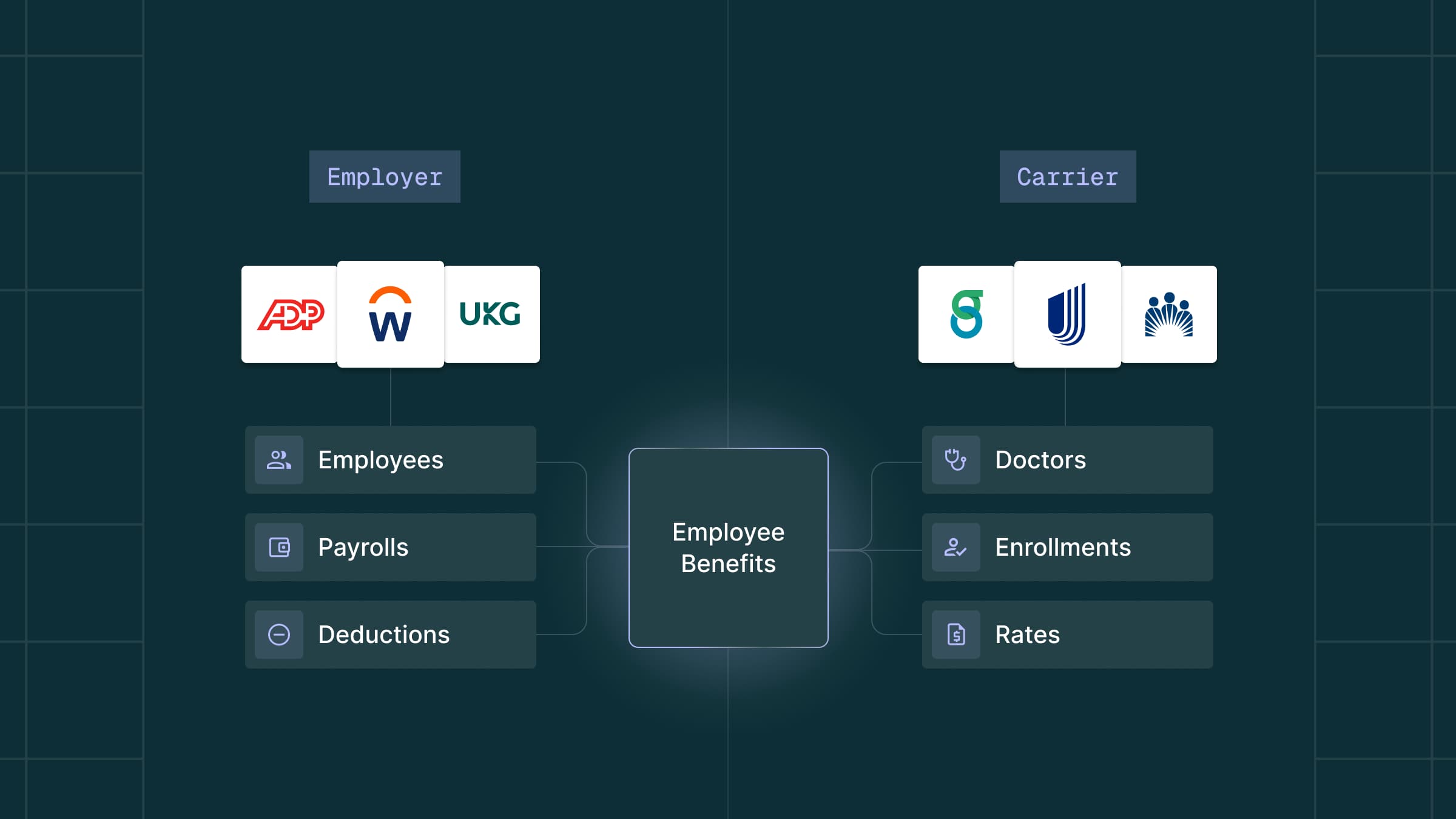
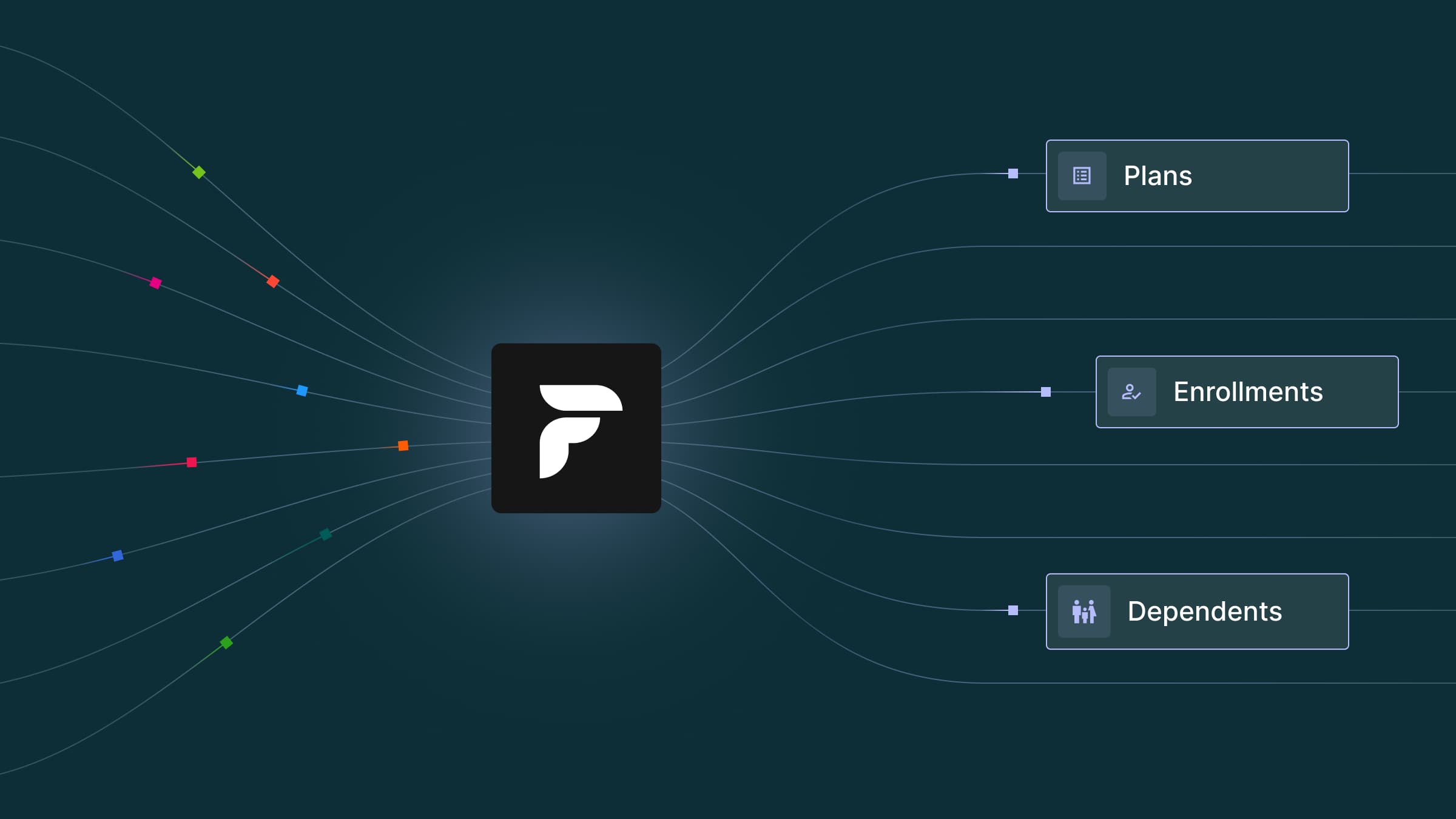
These are only a sampling of the long list of possibilities benefits APIs bring to the table. Any workflow that requires data from the plan catalog, employee enrollments, or their dependents can be improved with programmable access to the ben admin system. And many of these benefits API use cases only get stronger when paired with an API connection on the carrier side of the ben admin data exchange.
Get connected with Finch Benefits
Finch is the unified API for payroll, HR, and benefits data. Ours is the first unified API to read benefits enrollment data and write deductions and contributions back to payroll.
Our Benefits API is now available for ADP Workforce Now and Workday, with more integrations on the way. Talk to us about early access or read the developer docs to get started.

97% of HR professionals say it’s important for your app to integrate with their employment systems
Learn more in our State of Employment Technology report ->
97% of HR professionals say it’s important for your app to integrate with their employment systems

Payroll Integrations Made for Retirement