Hey everyone, my name is Lauren. I'm a product manager here at Finch, and I'm going to walk through a quick demo of our new benefits product, which gives customers programmatic read access to structured employee benefits enrollment data through our unified API.
I'm first going to create a connection in my sandbox environment.
I'm setting up a Finch Connect session here in the dashboard UI, but you can also do this programmatically using the POST connect sessions endpoint in our API.
The part I want to highlight here is the product scopes. There are three new ones for our benefits product: plans, dependents, and enrollments. Each one is provisioned separately, so you're only requesting the data you actually need.
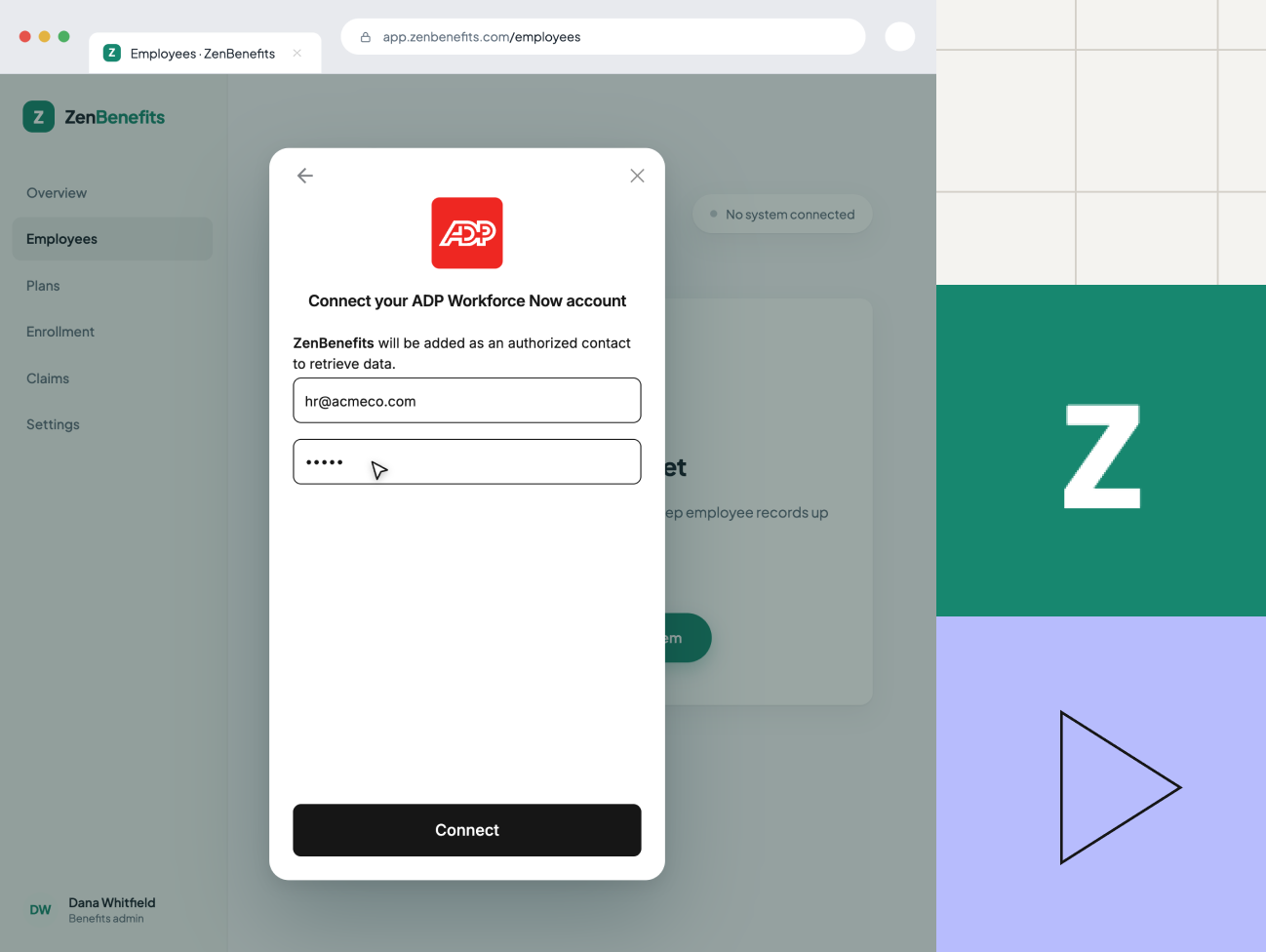
All right. So this is Finch Connect. It's the flow that employers see when authorizing access to their HRIS, payroll, or HCM system. I'm going to use ADP Workforce Now for this demo. The employer signs in — and I'm just using our sandbox credentials here — and authorizes access.
All right, that was a success. The connection has been established, and there's nothing else that the employer has to do from this point forward.
So now the connection is live in the Finch dashboard, and I'm just going to show you how benefits data would flow through our API using the API Explorer.
I'll hit employer plans first. These are the plans the company offers with carrier information, the type of plan it is, when the plan starts and ends, available coverage tiers, and the associated deduction code.
Next, we have enrollment records. This is the link between an employee and an elected plan, and it returns the coverage effective dates, the elected coverage tier, contribution amounts and frequency to show you how the premium is split between the employee and employer, and if there are any covered dependents covered under the plan, you will see a list of dependent IDs on the enrollment record. Which you can then pass into the last endpoint here to retrieve demographic data on a covered dependent.
All right. So you can read more about each of these endpoints in our API documentation, and you can also reach out to our sales or support teams if you have any questions. Thanks.