The SPARK Institute hosted its annual forum this week, where retirement industry leaders gathered from across the country to discuss the future of recordkeeping and how artificial intelligence may help shape it.
I had the privilege of moderating a discussion called “Powering AI Retirement Innovation,” where panelists from TIAA, FIS, and Deloitte shared their perspectives on practical uses for AI — and the foundational work needed to make them a reality.
While AI’s potential is enormous, the group emphasized that their industry will need to embrace and adopt modern, API-based infrastructure and standardized data exchange. This would mark a much needed shift that would mirror what open banking unlocked for financial services.
The panelists agreed that AI adoption will likely be slower than many expect, given existing tech debt, sponsors’ wariness, and infrastructure limitations. Given there are no explicit regulations for AI use and data standards in retirement, the industry will need to band together to propose their own standards and move forward with meaningful innovation. The progress starts with embedding the technology that sponsors will demand in five years into systems today. That means focusing on core competencies, partnering strategically, and building modular platforms that allow for faster innovation, predictable spend, and a clearer path to ROI.
Below are five takeaways from our discussion.
1. The retirement industry faces barriers to innovation — but also has the tools to overcome them
All panelists pointed to the same fundamental challenge: manual data collection is still the norm, and it’s holding the industry back.
“Clients typically remit to us using basically an online manual entry,” said Jen Crowe, solutions architect at TIAA. “That is essentially a half step above a cocktail napkin, right?”
Nick Guillen, a consulting manager at Deloitte, said that’s a common pain point felt across the industry, where deep fragmentation and data silos make accessing sponsor and participant details difficult. Adding to the challenge is the wide range of data formats sponsors use based on their payroll system of record or internal naming conventions.
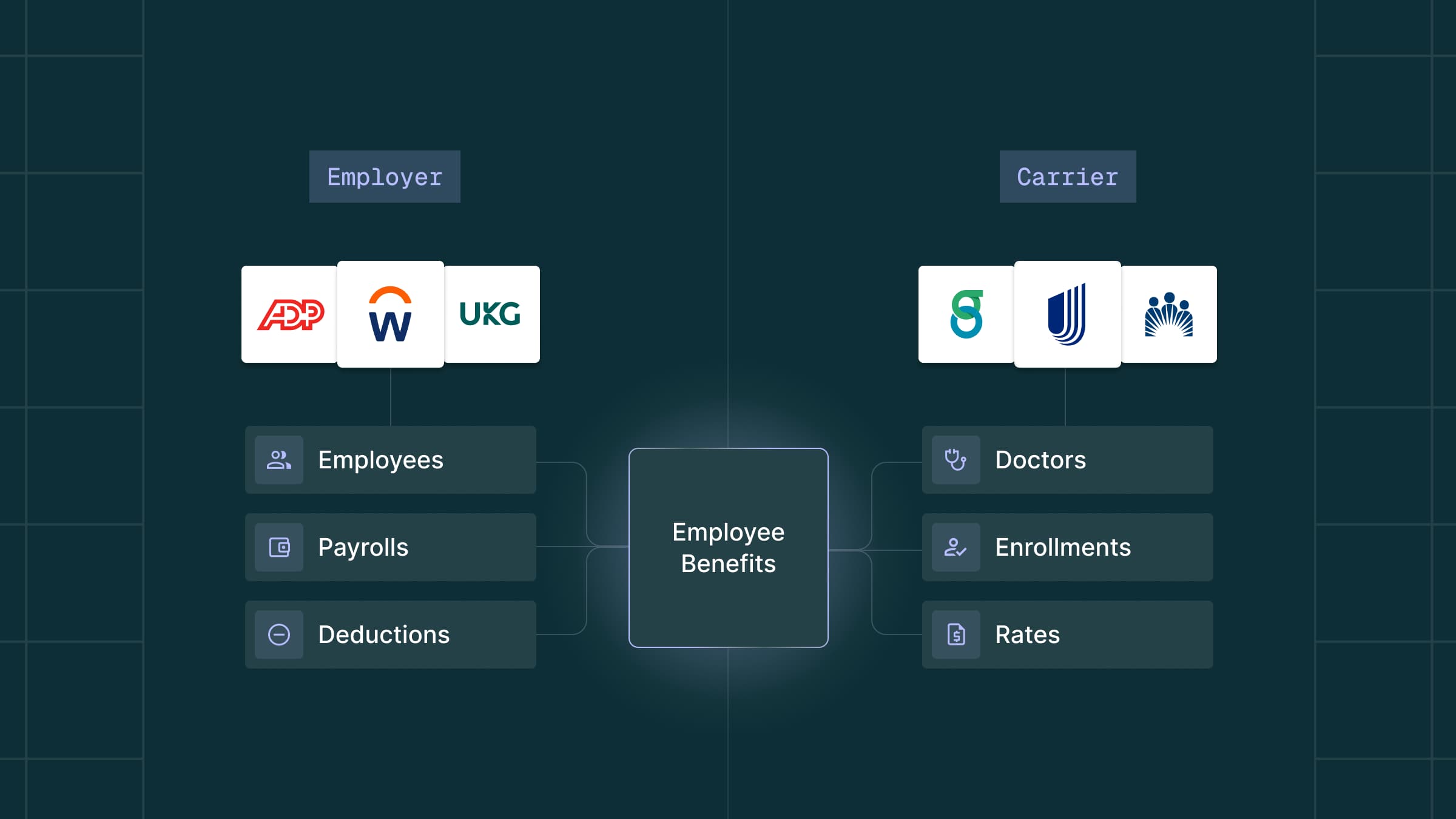
The panelists agreed that to enable real-time AI applications, recordkeepers need to move beyond maintaining current systems and instead automate data exchange with payroll APIs that can securely collect standardized data from plan sponsors.
“I think we've become comfortable with just maintaining what we have today versus building for the future,” said Will Hicks, Vice President and Head of Products and Services at FIS. “[APIs are] the only way the whole industry will scale. That's the only way that you'll really be able to access and leverage PII in the next phase of your innovation.”
2. Maintaining sponsors’ trust is the top priority
While sponsors are excited about the potential to unlock personalized plan advice and deeper reporting, they remain skeptical of AI. Particularly among TIAA’s client base, which skews heavily toward academia, Crowe said AI remains a sensitive topic.
“I think AI, from a TIAA perspective, absolutely aligns with our high-touch service model, that you can use it to supplement that wonderful participant experience. But it's important that we emphasize that we're not supplanting that,” Crowe said. “We're not getting rid of that critical thinking.”
Guillen echoed the sentiment, calling out that the industry is nowhere near the point where AI can run the show without a human in the loop, and calling the technology a supplement, not a replacement for human expertise and discretion.
3. Recordkeepers should start preparing for tomorrow’s sponsor demands today
Each of the panelists shared that their companies are using AI in some regard today to gain efficiency: at FIS, that includes encouraging employees to use Microsoft Copilot. At TIAA, developers operationalizing the organization for SECURE Act have used AI to help write regulatory requirements, completing what was once a weeks- or monthslong process in a matter of hours.
Guillen noted that while AI is making recordkeepers more efficient, it can’t actually make processes more effective until it has access to the right data; but that doesn’t mean it’s a wasted effort, according to Hicks.
“You don't have to leverage AI all at one time. We can take phased approaches, but you don't want to go back and re-platform when those things start to be demanded from you,” Hicks said.
“It's about embedding technology and building technology that may not be used today, but it’s going to be used five years from now.”
4. Regulatory frameworks are a benefit to AI adoption
Compliance and data security are top of mind for everyone in retirement, but the panel took an optimistic view, suggesting that regulatory frameworks can act as enablers, not barriers.
“You can either view it as a barrier, or you can embrace it and say, we have this phenomenal structure in place that we can leverage,” Crowe said.
The panelists said that having strict regulatory frameworks can act as guardrails for the safe deployment of AI. The way Hicks sees it, this actually gives the retirement industry a leg up over other industries when it comes to implementing AI. He encouraged the industry to come together to write their own standards for AI use within retirement, drawing a parallel to the kind of self-governance that’s common in the banking industry.
“I look out at this room, this brain trust of great ideas that we have collectively about how this sort of data can and will be used,” Guillen said. “We just need to make sure it’s done ethically.”
5. The retirement industry should embrace partnerships and a modular approach to technology
The panelists agreed that collaboration is the new competitive advantage. Rather than building a completely proprietary tech suite, focusing on core competencies and outsourcing the rest can keep an organization agile and adaptable.
Guillen pointed to partnerships’ ability to help firms achieve faster ROI and predictable costs, while also drawing on the expertise of domain specialists.
Crowe noted that TIAA’s mindset has evolved in the same direction, despite historically keeping everything in-house.
“We understand that not everything is a core competency for us. … So let’s bring in a partner who can help us so we don’t have to learn those lessons the hard way,” she said.
Ultimately, modular, interoperable systems allow recordkeepers to stay agile and responsive to sponsors’ evolving needs.
The bottom line
The future of AI in retirement isn’t about replacing human expertise — it’s about enabling it through better data, scalable infrastructure, and smart partnerships. The work starts today by modernizing systems, embracing collaboration, and building the foundation for the innovations sponsors will soon expect.

97% of HR professionals say it’s important for your app to integrate with their employment systems
Learn more in our State of Employment Technology report ->
97% of HR professionals say it’s important for your app to integrate with their employment systems

Payroll Integrations Made for Retirement